October 29, 2026
A new door can change how a home looks, but its value is also felt in everyday use. An entry that sticks, a swing that blocks furniture, or an interior door that offers too little privacy can make familiar routines frustrating. Replacing the door creates an opportunity to solve those problems while updating its appearance. The strongest choice starts with understanding what the opening needs to do.
Style matters, but it works best alongside decisions about materials, light, security, and fit. Planning professional door installation as part of the selection process helps connect the product you prefer with the conditions in your home. Considering the following factors can make that decision more practical and satisfying.
Start With How the Door Will Be Used
Different openings serve different purposes, and the most attractive option will not necessarily suit every location. A front entrance needs to welcome visitors while providing a secure boundary between indoors and outside. An interior door may be more important for privacy or separating activities in adjoining rooms. At a patio, the relationship between the doorway, furniture, and outdoor gathering space can shape which opening style feels comfortable.
Think about the movement the doorway needs to accommodate throughout a normal day. A hinged door needs room to swing, while a sliding patio door operates differently within the available space. The location of nearby furniture matters because a door that opens easily in an empty room may be awkward once the room is furnished. Discussing these details before door installation helps keep the choice connected to actual use. The goal is a doorway that supports daily movement without making the household work around it.
A room's purpose can also change over time. A space that now serves as a home office may need more privacy than it did as a shared sitting room. Choosing around the way the room is used today can make the replacement more useful than simply matching the original door.
Weigh Materials Alongside Upkeep
The material and finish should be considered together, since both affect how a door looks beside the home's trim and other doors. Wood, fiberglass, and steel provide different options to compare, but the material name alone does not explain a particular product's upkeep. Manufacturer care requirements can help homeowners judge whether the preferred finish fits their expectations. Comparing appearance and care requirements together helps homeowners choose a door they will be comfortable owning over time.
An exterior door also needs to suit its exposure. A sheltered porch and an entrance that receives direct weather present different settings, even if the doorways look similar. Describing that setting during the consultation helps the installer relate available products to the location where they will be used. Weather protection can then be discussed alongside the household's priorities for appearance, ventilation, and access.
For an exposed front entrance, a storm door may also be part of the discussion. It adds a layer of weather protection while offering ventilation, but it should be considered together with the main entry door and the space available. The selection should account for how both doors will open and how their hardware will work together at a busy entrance.
Balance Natural Light With Privacy
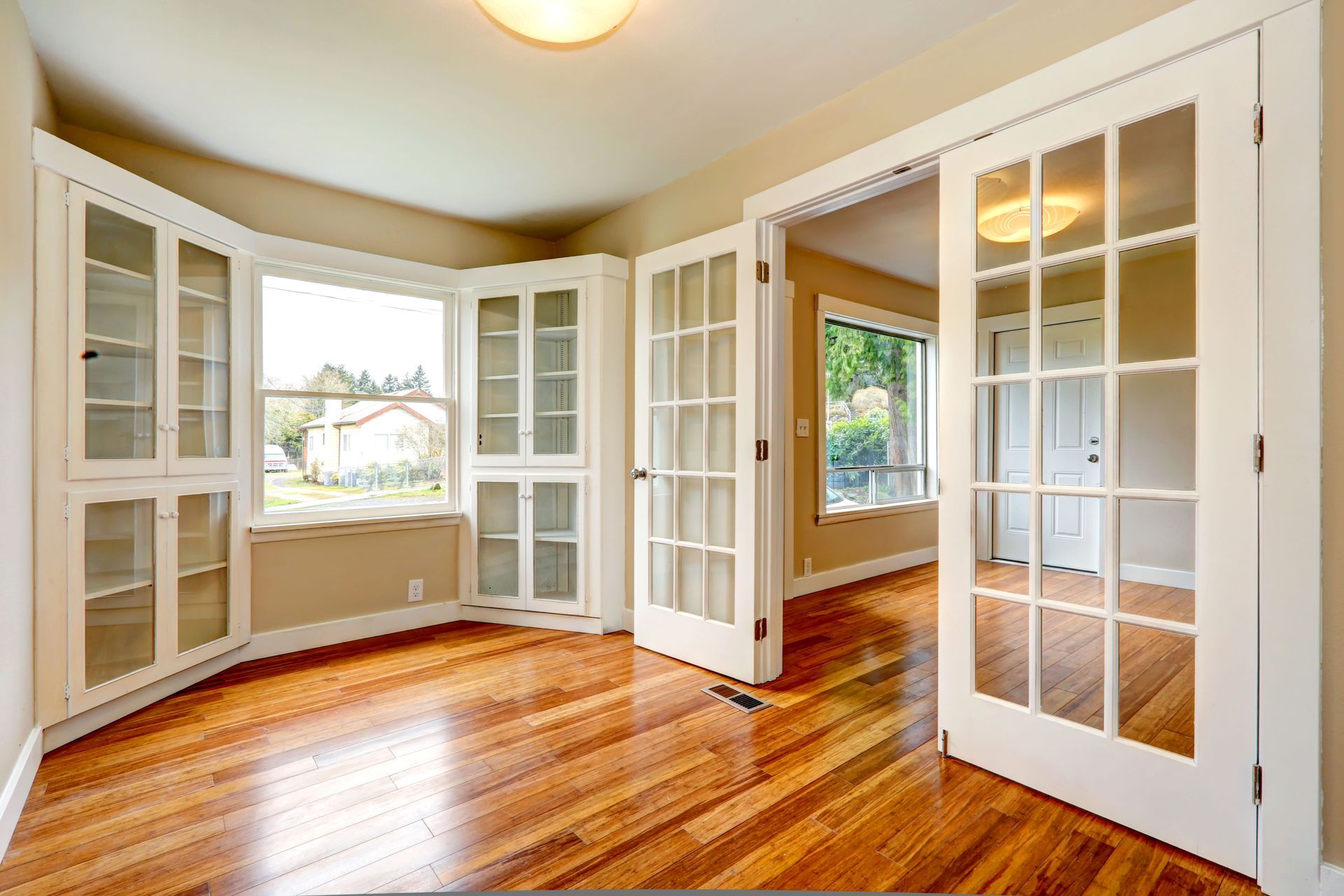
Glass can change the character of an entryway or the connection between indoor and outdoor spaces. French doors and glazed patio doors can make views part of the room, while glass in an entry door can bring light into a darker entrance. The amount and placement of glass deserve consideration alongside the door's overall style. A design that looks inviting from the street should also feel comfortable from inside the home.
Privacy needs depend on what is visible through the opening and how the adjoining room is used. Textured or frosted glass can bring in daylight while offering a less direct view inside than clear glass. A homeowner comparing two designs should consider the sightline from the walkway as well as the view from the room. Bringing those observations into a door installation consultation makes it easier to compare glass options against the household's actual privacy needs. The amount of glass and its placement can then be evaluated in relation to the room's use.
Look Beyond the Door Panel to Its Fit
A replacement door functions as part of an opening that includes the frame, threshold, seals, hinges, and hardware. Those surrounding details influence how it opens, closes, and latches. A homeowner comparing entry doors should consider the locking hardware along with the door panel. Professional assessment can account for the existing opening and identify preparation that needs attention before the replacement is fitted.
Precise door installation brings the components together so the door operates as intended. Proper alignment matters for latching, while fitted weatherstripping and sealing help limit unwanted air movement around the perimeter. If the existing doorway has drafts or is difficult to close, those symptoms are useful to discuss during the consultation. They give the installer context for evaluating the opening instead of treating the project as a purely cosmetic change. The final selection should address the reasons for replacing the door as well as the desired new appearance.
Choose a Style That Belongs With the House
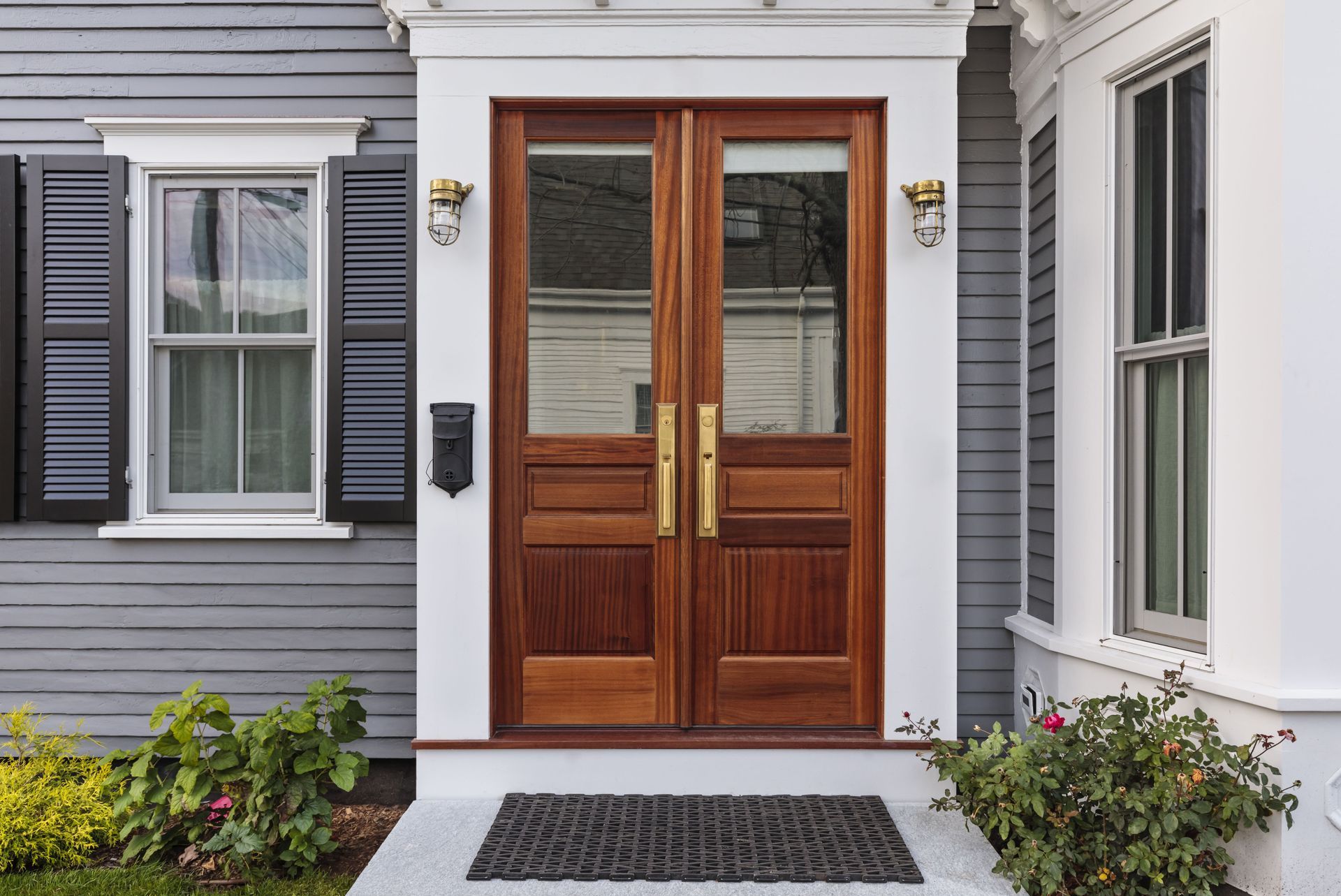
An entry door draws attention, but it still needs to relate to the exterior around it. Nearby windows, trim, siding, and other architectural features provide a useful starting point for comparing shapes, colors, and glass designs. A contrasting finish can make the entrance distinctive without requiring every detail to compete for attention. Interior doors deserve similar consideration because their appearance affects the connection between rooms.
According to Remodeling magazine, upgrading an entry door offers an average return on investment of 74.9%. That gives homeowners considering future resale another reason to think beyond a fashionable finish. A replacement should complement the house's architecture and remain practical for the people living there in the meantime. Careful door installation supports that broader goal by pairing the selected appearance with dependable operation. Judging the choice by both its fit with the house and its usefulness helps keep long-term value connected to improvements the household can appreciate every day.
Understand the Selection and Installation Process
Seeing products in a showroom can help turn broad preferences into more specific decisions. Finishes, glass patterns, and hardware often make more sense when compared in person. An in-home consultation connects product preferences with the actual doorway and the needs of the household. Keeping product selection and measurements within the same process helps reduce uncertainty about how the chosen door will fit.
Before door installation begins, discuss the expected scope, any preparation identified during assessment, and the anticipated disruption to the entrance. Clear expectations are especially useful for a doorway used frequently throughout the day. Warranty information also deserves attention, including the distinction between product coverage and coverage for installation workmanship. Terms can differ by door type, so the relevant coverage should be understood for the specific selection. These conversations help homeowners move forward with a clearer picture of both the finished doorway and the work required to get there.
The right new door should feel like a natural improvement every time someone passes through it. Taking time to connect personal preferences with the realities of the opening makes the decision more useful than appearance alone. At A-1 Windows & Doors LLC, we help homeowners connect product selection with custom fitting and installation. Contact us to discuss your needs during an in-home consultation and explore options in our showroom.